StyleGyms Home

Category

Performance & Mindset

11 articles

Paying for the Idea of the Gym: How to Finally Make Your Membership Worth Every Dollar

Paying for the Idea of the Gym: How to Finally Make Your Membership Worth Every Dollar

Americans collectively flush billions of dollars down the drain on gym memberships they barely use — and chances are, you're part of that stat. Before you autopay another month, it's time to get brutally honest about whether your fitness spending actually matches your fitness life. Here's how to audit, adjust, and actually show up.

Wrist Check: Is Your Smartwatch Quietly Wrecking Your Workout Confidence?

Wrist Check: Is Your Smartwatch Quietly Wrecking Your Workout Confidence?

That little device on your wrist is supposed to make you a better athlete — but for a lot of gym-goers, it's doing the opposite. From data obsession to public metric comparisons, your smartwatch might be the thing standing between you and your best training. Here's what the science says, and what to do about it.

Your Brain on Gear: The Neuroscience of Dressing Like You Mean It

Your Brain on Gear: The Neuroscience of Dressing Like You Mean It

What you throw on before a workout isn't just fabric — it's a neural signal. New research into embodied cognition reveals that intentional gym style measurably changes how your brain handles effort, pain, and mental toughness. Here's what's actually happening inside your head when you dress with purpose.

Train at the Right Time, Show Up Differently Every Time

Train at the Right Time, Show Up Differently Every Time

When you train isn't just a scheduling detail — it's a hidden lever that shapes your performance, your physical presence, and the way you carry yourself everywhere else. From cortisol curves to crowd dynamics, the clock on the wall might be the most underrated piece of equipment in your gym. Here's how to use it.

Why You Look Jacked at Your Gym (But Average Everywhere Else)

Why You Look Jacked at Your Gym (But Average Everywhere Else)

Ever notice how you look absolutely dialed-in at your home gym but somehow less impressive when you catch your reflection at a hotel fitness center or a friend's gym? It's not your imagination — and it's not just vanity. The way a gym is designed can quietly rewire how you see yourself, train harder, and measure progress.

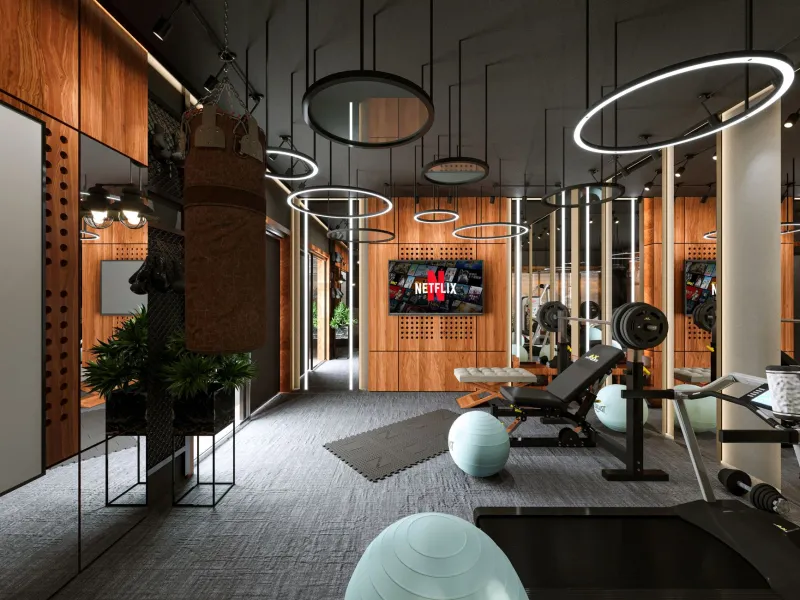
Why the Gym You Pick Might Matter More Than the Program You Follow

Why the Gym You Pick Might Matter More Than the Program You Follow

The layout of a weight room, the temperature of the lighting, even the vibe in the locker room — these aren't just aesthetic details. They're invisible levers that push your motivation up or drag it down before you've touched a single weight. Here's what the science says about choosing a gym that actually works for your brain.

Gear Up, Get Locked In: The Hidden Psychology of Your Pre-Workout Prep

Gear Up, Get Locked In: The Hidden Psychology of Your Pre-Workout Prep

What you do before you touch a single weight matters more than you think. The rituals you build around getting ready to train—from lacing up your shoes to packing your bag the night before—aren't just habits. They're mental triggers that prime your brain for peak performance.

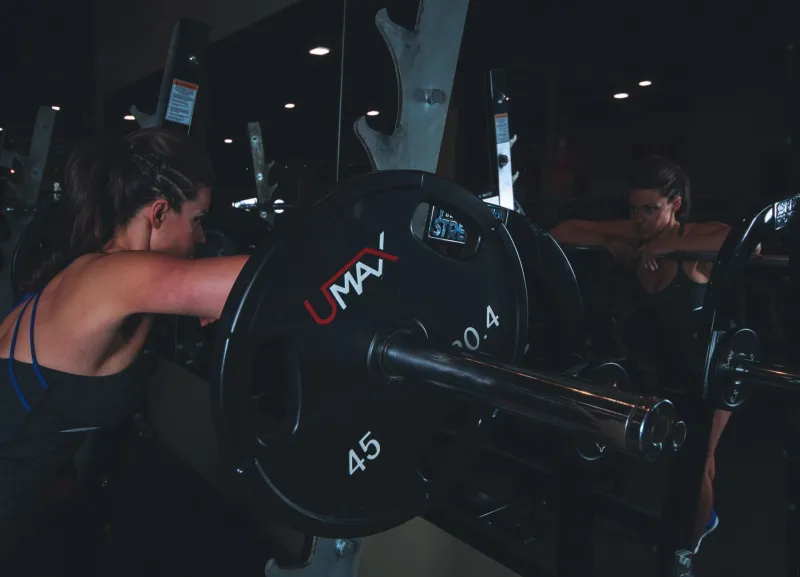
Mirror, Mirror on the Gym Wall: The Science Behind Looking Good to Train Better

Mirror, Mirror on the Gym Wall: The Science Behind Looking Good to Train Better

What if the way you look at yourself in the gym mirror is actually shaping how hard you push? Sports psychology research suggests that personal appearance confidence isn't vanity — it's a legitimate performance tool. Here's how intentional styling choices can rewire your motivation from the moment you walk through those doors.

The Presentation Game: 5 Style Habits Elite Athletes Use to Unlock Peak Performance

The Presentation Game: 5 Style Habits Elite Athletes Use to Unlock Peak Performance

Top athletes don't just train differently — they show up differently. From pregame grooming rituals to intentional outfit choices, the way elite performers present themselves is a deliberate psychological tool, not an afterthought. Here's what their habits can teach the rest of us about training with more focus and consistency.